
Description
Polonaise Opus 40 No. 2
Conceptual photographic research October 2025 | Variable dimensions
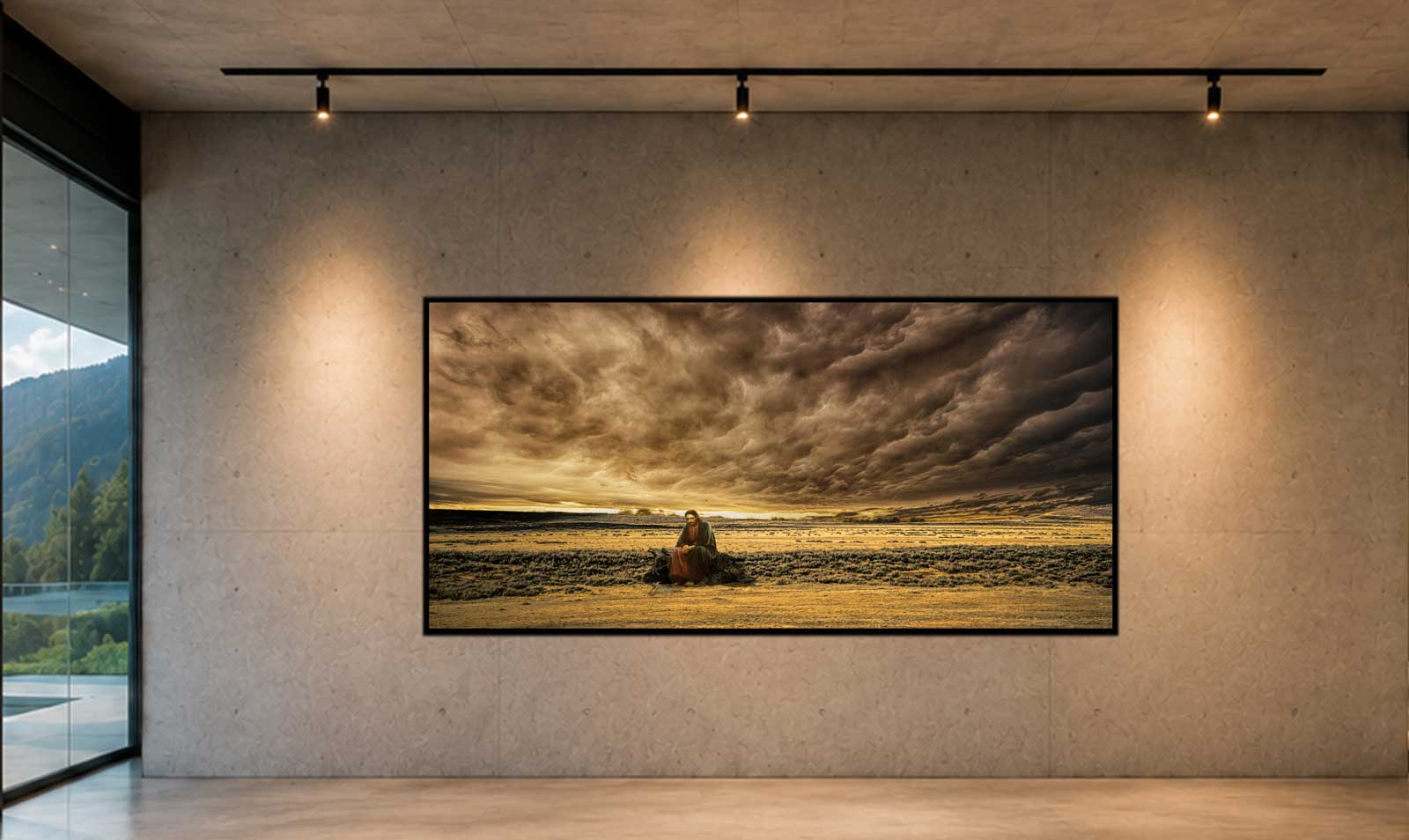
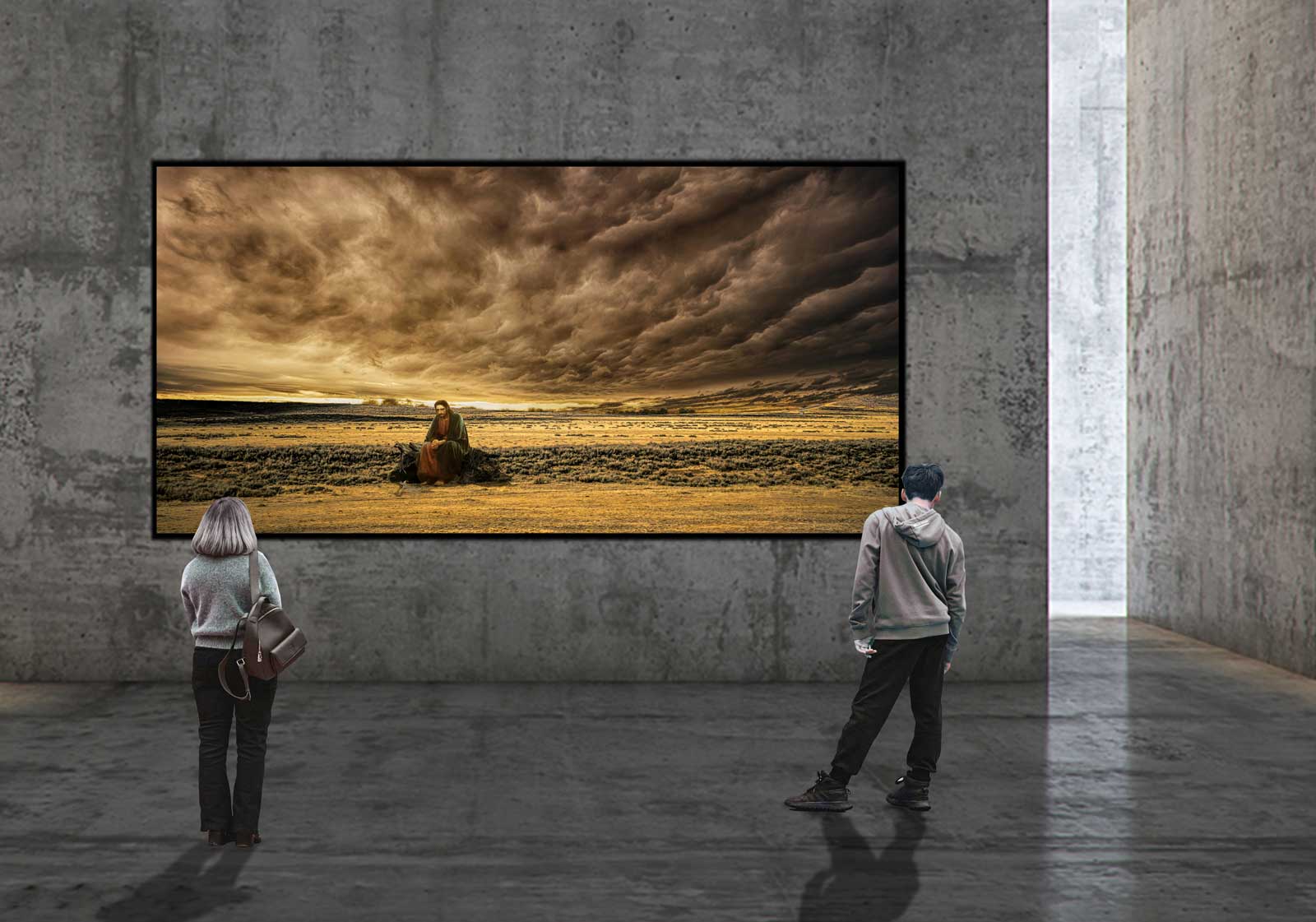
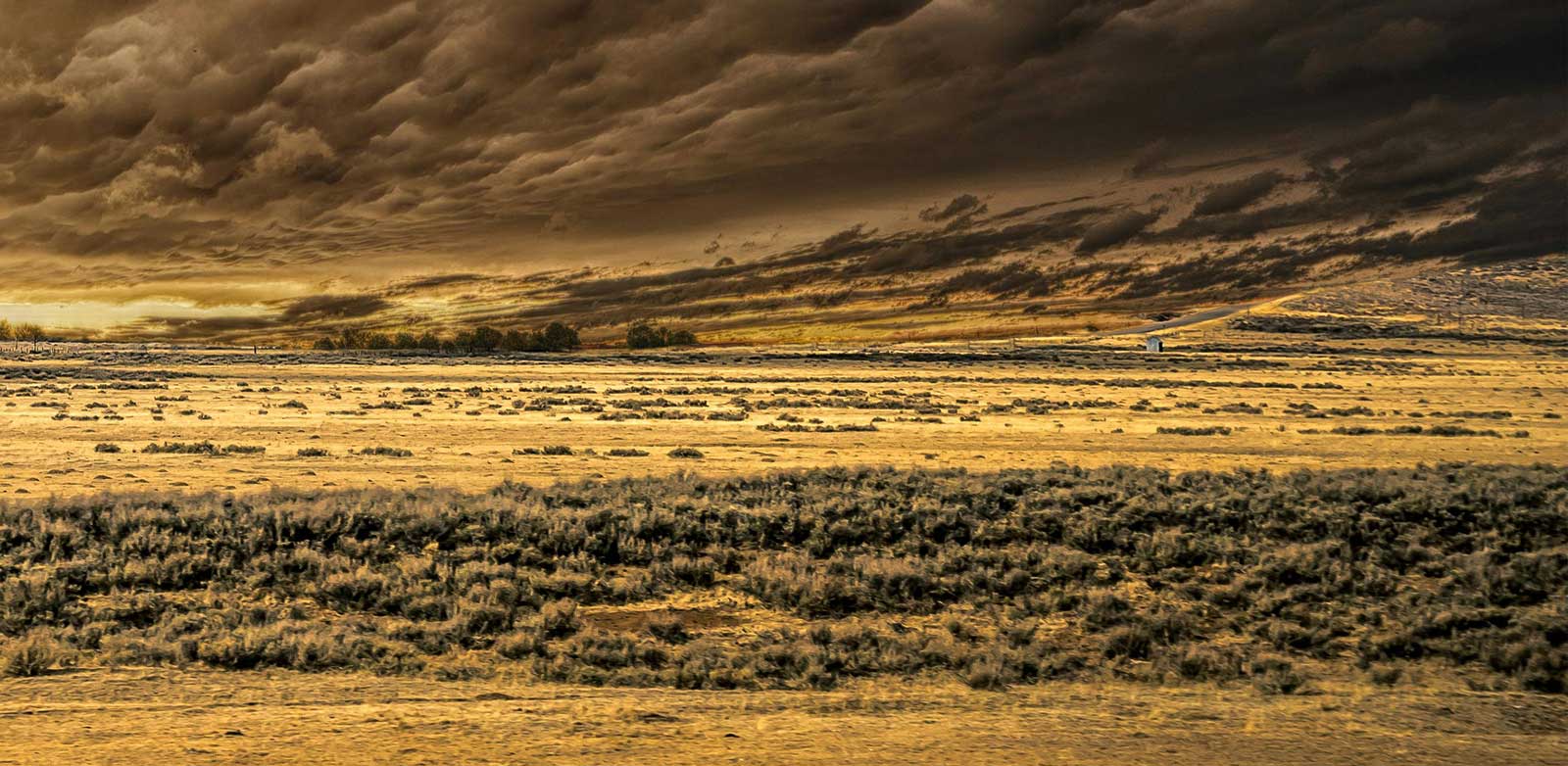
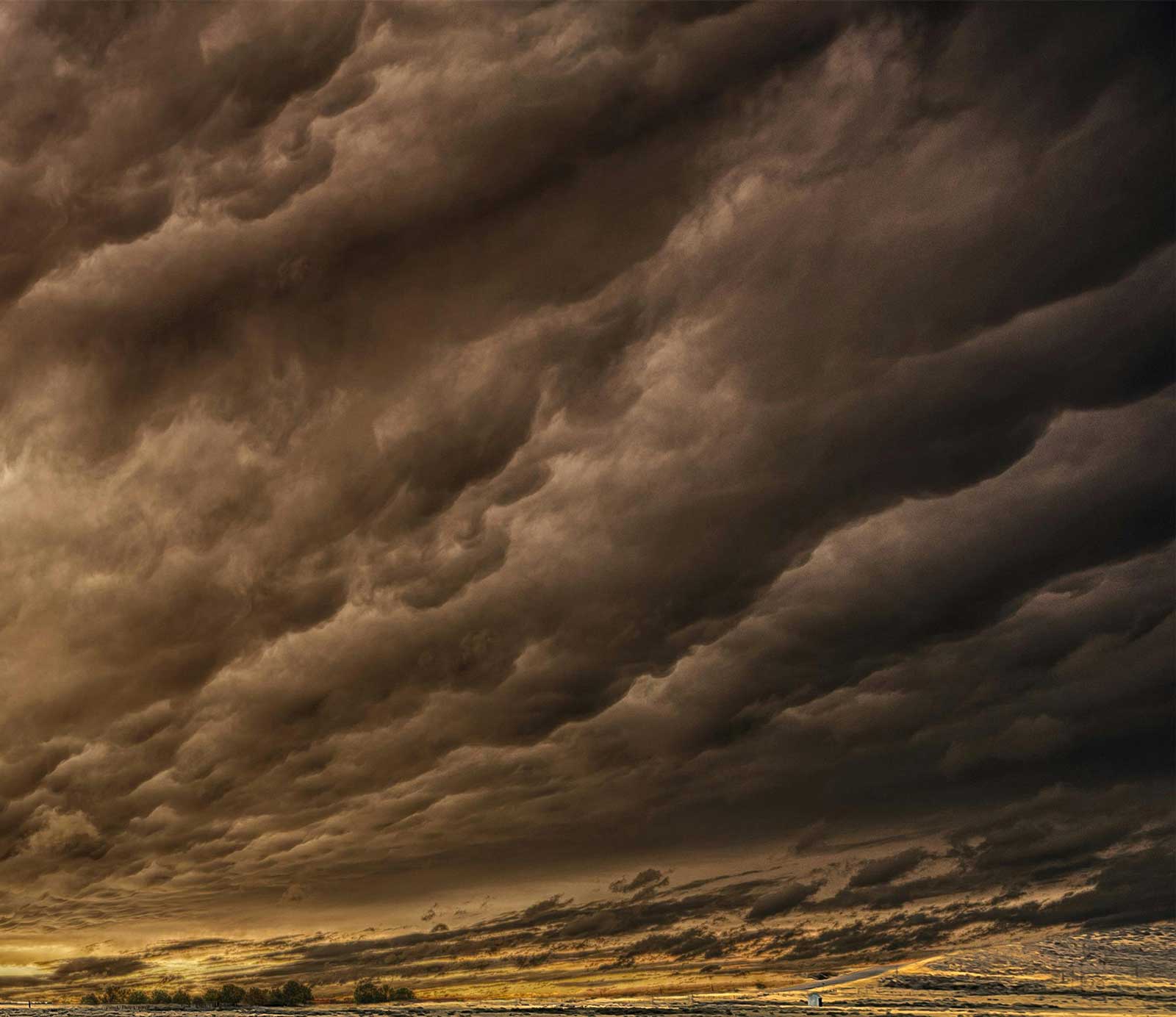
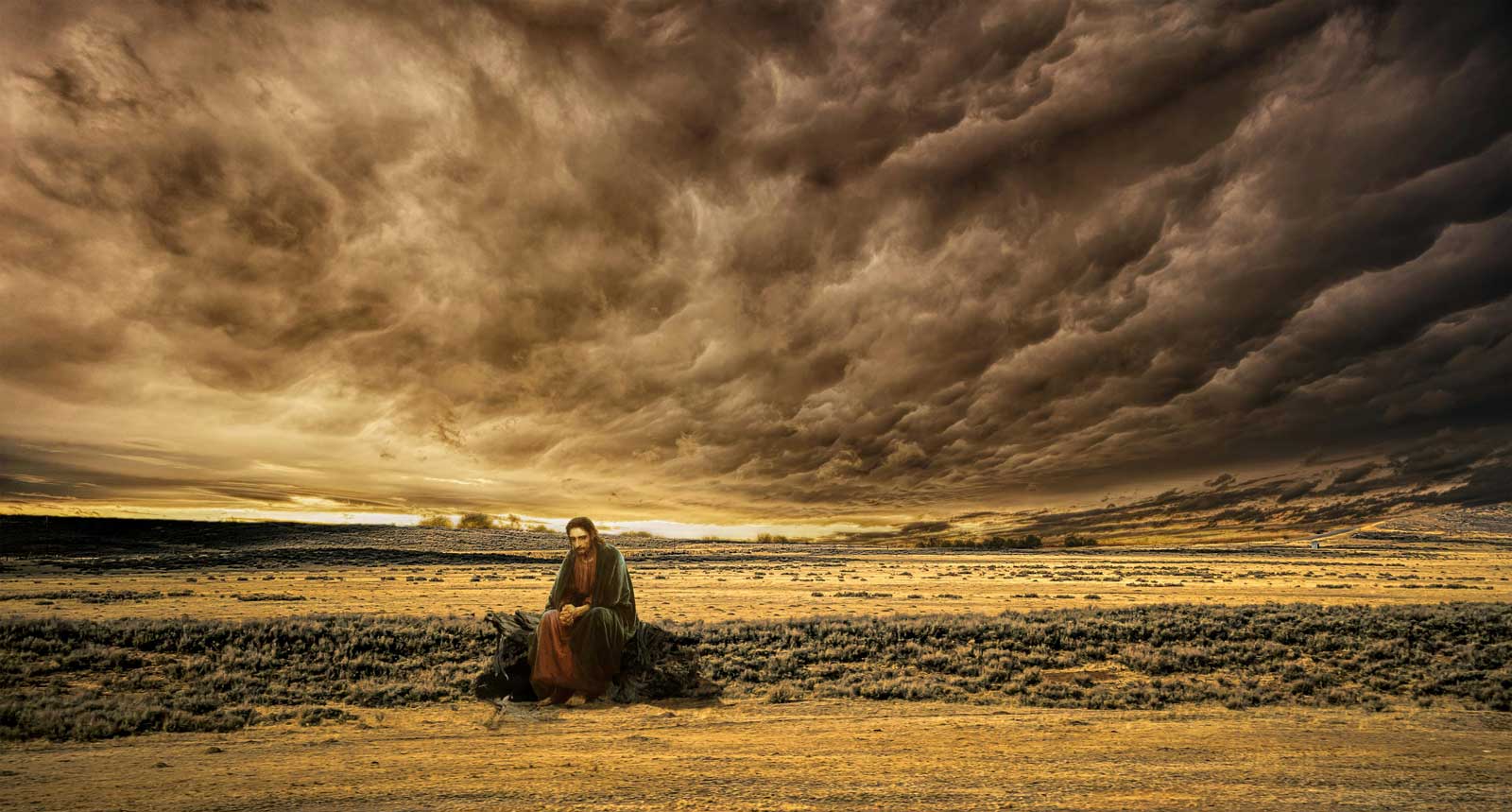
The sky was playing the Polonaise in C minor, mammatus clouds undulating to the triple rhythm characteristic of the Polish dance, one-two-three one-two-three, spectacular meteorological formations announcing the imminent storm. And Kramskoi’s Christ listened, seated on his rock in the Judean desert, a private concert offered by the terrestrial atmosphere before he began his ministry. Before the crowds, the miracles, the betrayals. Just him and that symphonic cloud mass unfolding above his head like a giant score written by a cosmic composer.
Chopin had composed Opus 40 in 1839, two polonaises dedicated to his friend Julian Fontana. The second remained in the shadow of the first — the « Military, » the triumphant one. This second was darker, melancholic, almost funereal. C minor, the key of tragedy, mourning, nostalgia. Chopin had written it in Palma de Mallorca where he was spending the winter with George Sand. Tuberculosis consuming him. A Pleyel piano thrown out of tune by Mediterranean humidity. A climate supposed to heal him, but worsening his condition. And he composed anyway — this music that carried all the sorrow of Polish exile. Warsaw occupied by the Russians. The November Uprising of 1830 crushed. And him in Paris, unable to return home, condemned to play nostalgic polonaises for French salons that applauded politely without truly understanding what this music meant for an exiled patriot.
October 2025. Sixty-three years old. Twenty-four years in France. This image dated from the future — we were still in January 2025 — prophesied what would happen nine months hence. An extrapolation based on what, exactly? An intuition that something major would occur in October. Elections. Climate catastrophe. War. An event that would justify this apocalyptic sky, these clouds resembling pendulous udders on the belly of a celestial beast ready to give birth to a hurricane.
Mammatus clouds formed only under very specific atmospheric conditions. Descending air inside a convective storm. Meteorologists considered them a sign of extreme turbulence, dangerous instability. And Christ remained seated — exposed, vulnerable, accepting what would come. The same posture as in Kramskoi‘s original painting of 1872, where he meditated before deciding to accept his mission, knowing it would lead him to Calvary.
The Polonaise Opus 40 No. 2 lasted approximately six minutes. In those six minutes, Chopin condensed all the ambiguity of Polish patriotism. Pride and defeat simultaneous. A martial dance celebrating a nation that no longer existed politically. A score playing for a phantom kingdom. Modern pianists often neglected it, preferring the first — more spectacular, more technically rewarding. But the second carried superior emotional depth, precisely because it did not try to be heroic. It accepted melancholy. It embraced sorrow. It acknowledged that sometimes one lost, and that the only possible victory was to keep dancing even when there was nothing left to celebrate.
The desert surrounding Christ showed the same desolation. Dry earth waiting for rain the clouds promised but might never deliver. And this geography reflected Palestine two thousand years later, in October 2025. A conflict continuing generation after generation. Promised land disputed by too many contradictory promises. And the Christ who had preached love of enemies watching what humans had made of his message. Holy wars. Crusades. Persecutions. Genocides. All perpetrated in his name.
The Polonaise was structured in classical ABA form. The martial principal section in C minor. A more lyrical central section in E-flat major — a breath, a temporary consolation. Return to C minor for the conclusion. A musical architecture reflecting the emotional trajectory of exile: struggle, nostalgia, struggle. No happy resolution. Just the repetition of the opening theme. And Chopin died nine years after composing this piece, at thirty-nine. Buried at Père-Lachaise. His heart repatriated clandestinely to Warsaw as he had requested. Body in France, heart in Poland. A geographic division that embodied his identity’s fracture.
The sepia-gold tone of the image gave the impression of old film, of antique photography. As though October 2025 were already the past, even though it was still the future. Strange temporality suggesting that what was about to happen had already happened in a parallel dimension. Mammatus clouds — signs in the sky that the ancients would have interpreted as omens, as divine warnings. But we, in the twenty-first century, photograph them for Instagram, explain them scientifically. Disenchantment of the world transforming omens into meteorology.
The mammatus clouds in the image probably came from the American Midwest — Tornado Alley, Kansas, Oklahoma, Nebraska — transplanted above the Judean desert. American sky above Palestinian earth. Globalized meteorology where climate catastrophes no longer respected regional borders.
October 2025 approached inexorably. And this image would wait patiently for the future to catch up with it. For reality to verify or invalidate the visual prophecy. But in any case, the Polonaise Opus 40 No. 2 would keep playing its melancholic melody. Kramskoi’s Christ would keep meditating beneath his stormy sky. And somewhere, the consumptive Chopin would keep composing in his grave at Père-Lachaise, while his Polish heart beat in its Warsaw urn. Eternal division between body and soul, between present and future, between what is and what will be. One-two-three. One-two-three. Polonaise Opus 40 No. 2. October 2025. Forever.