Description
Friendship
Conceptual photographic research
April 2016 | Variable dimensions
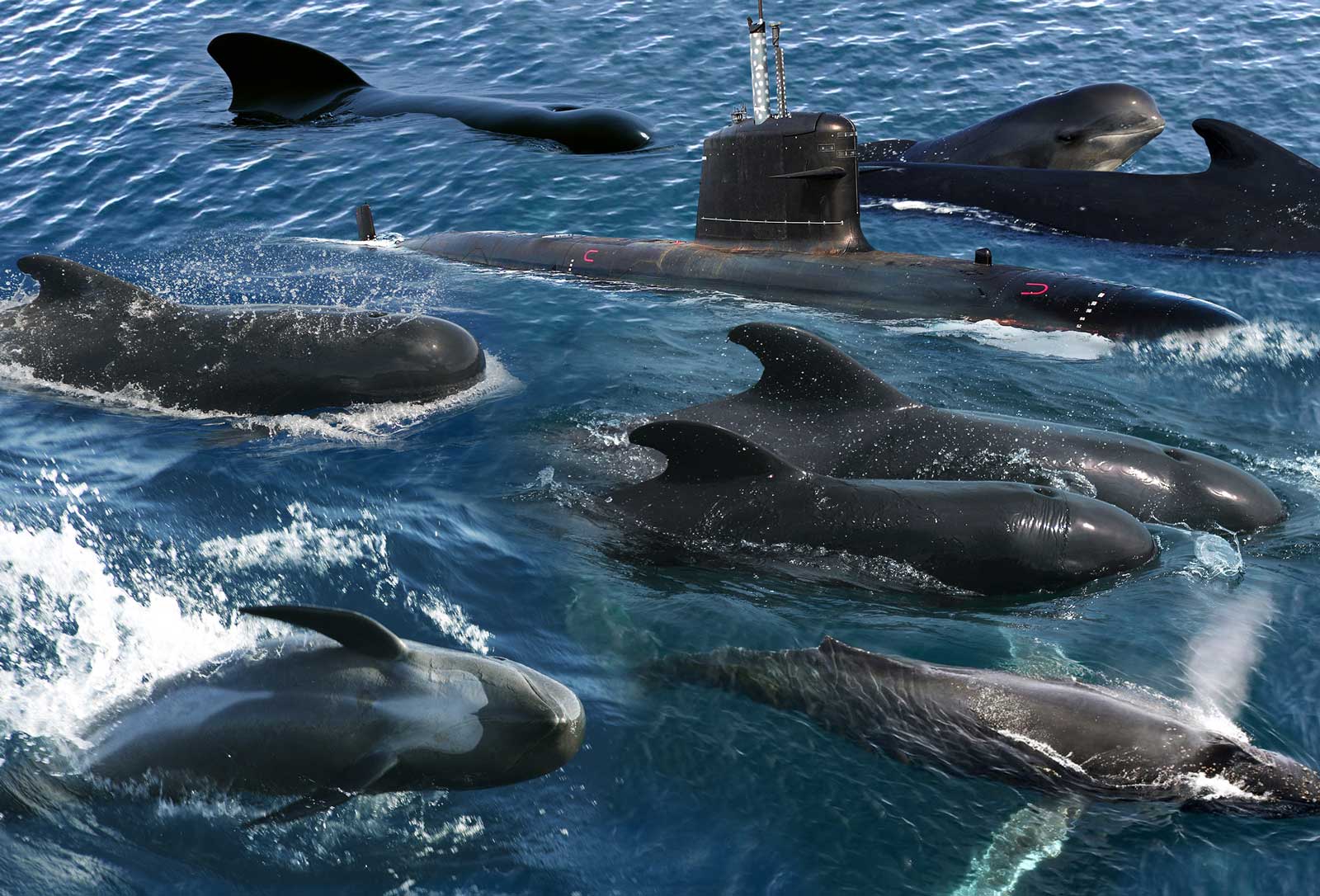
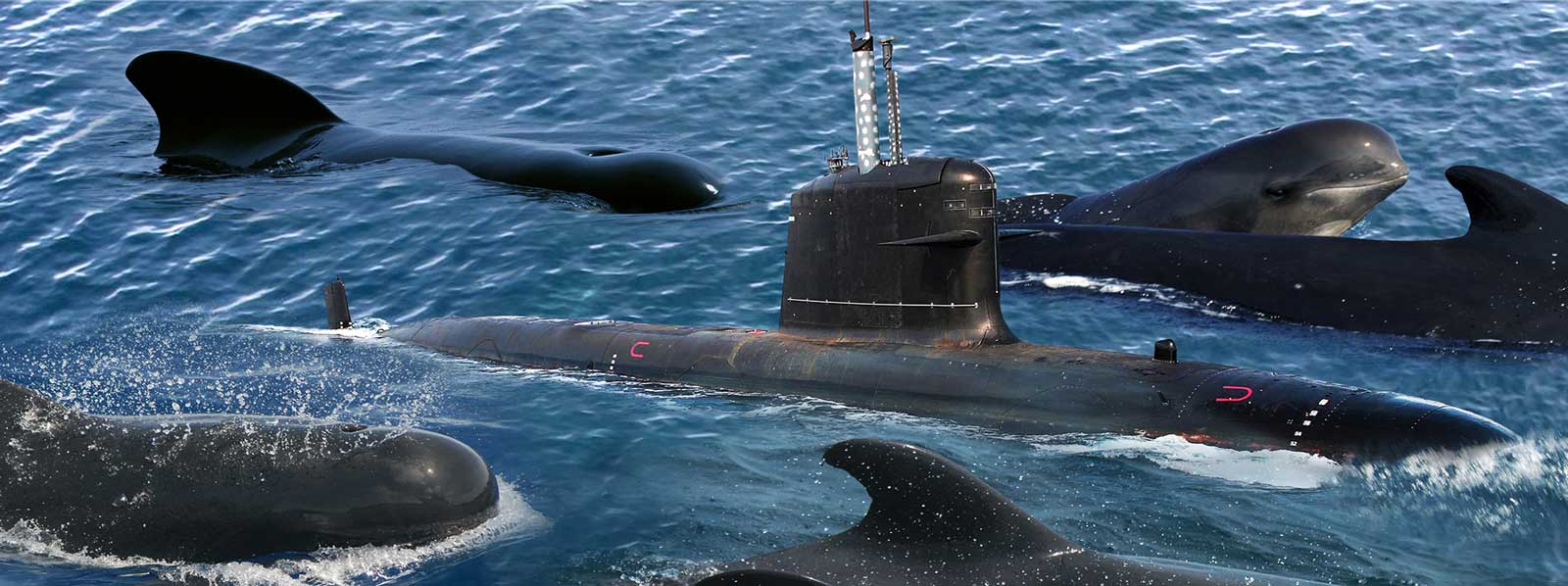
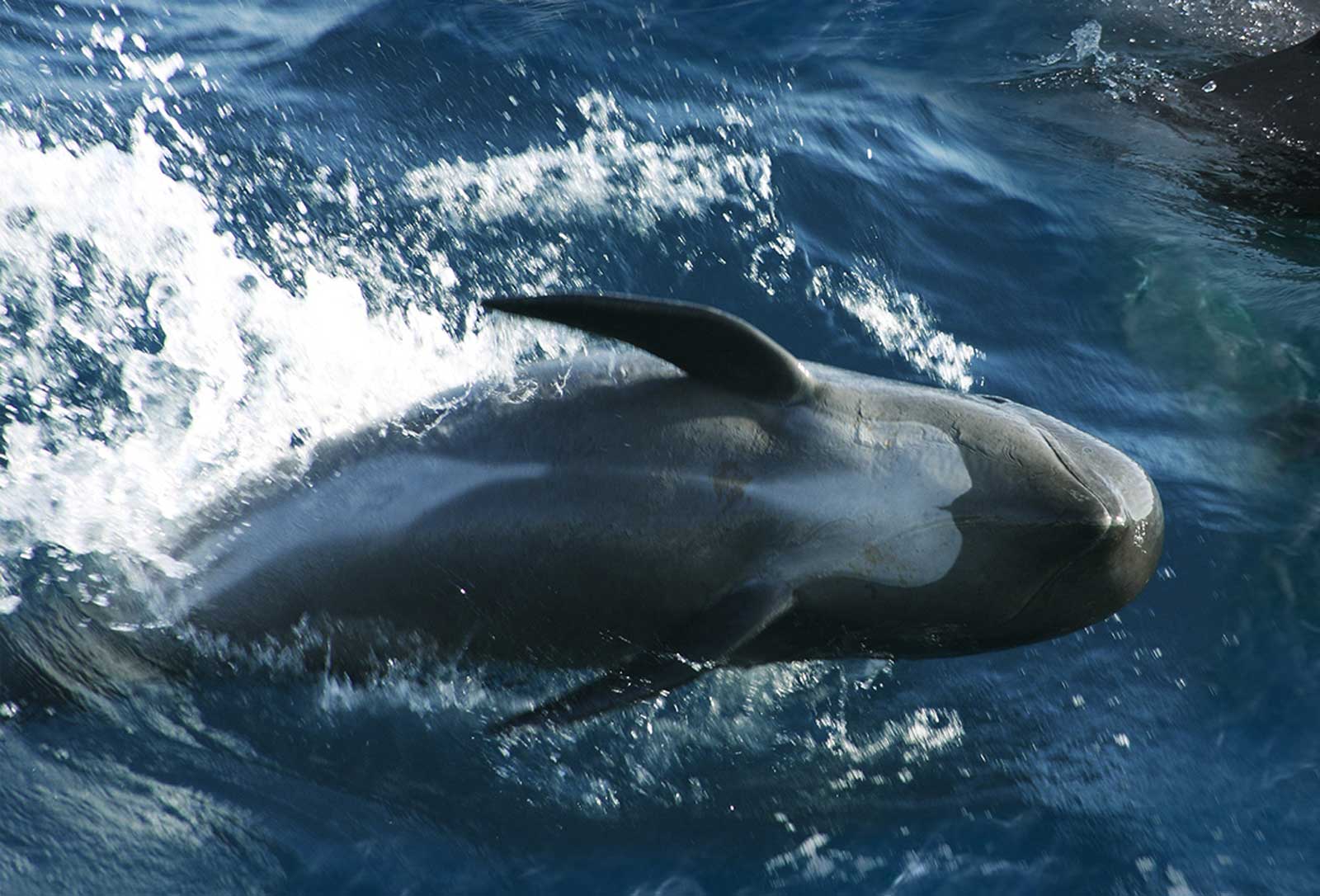
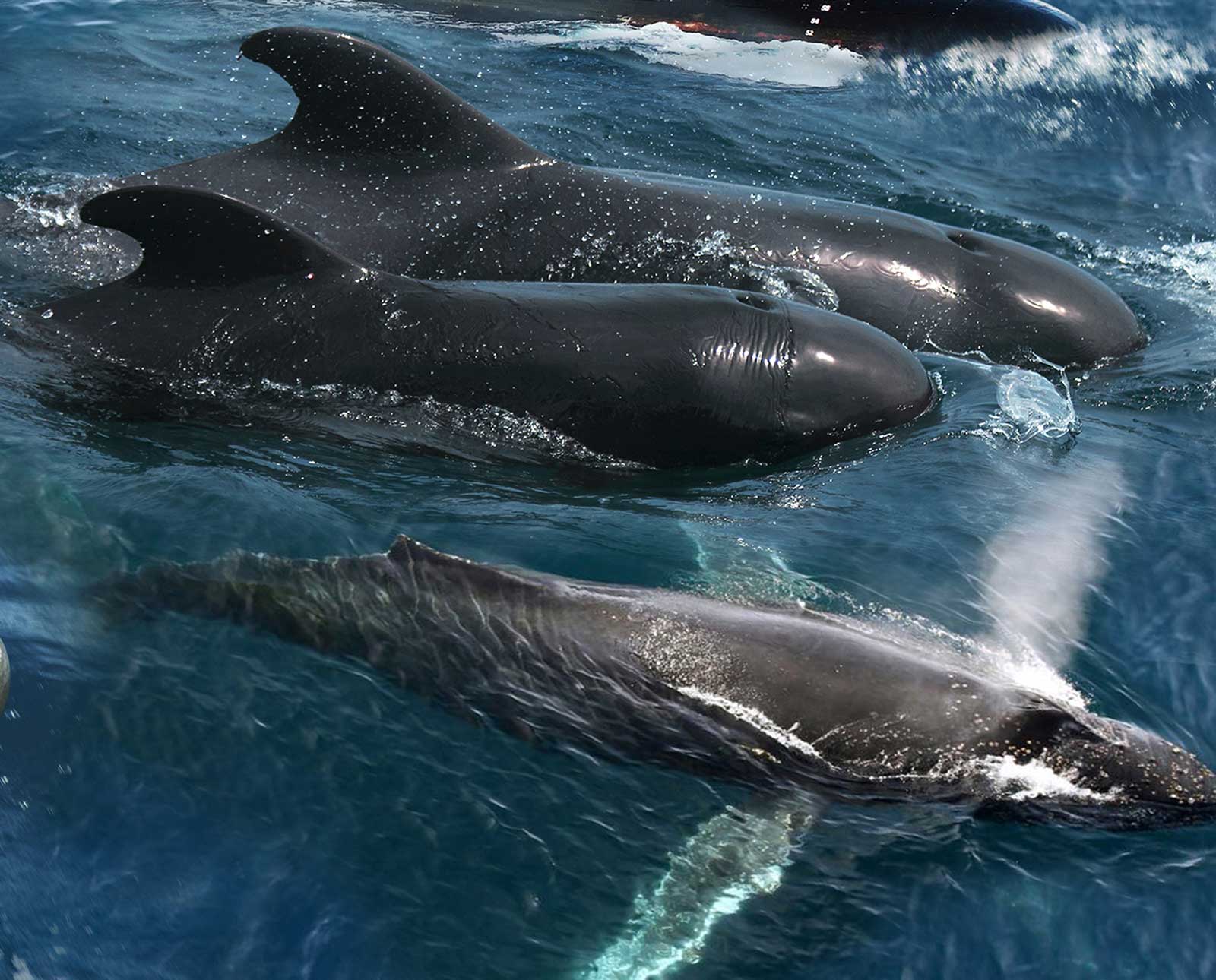
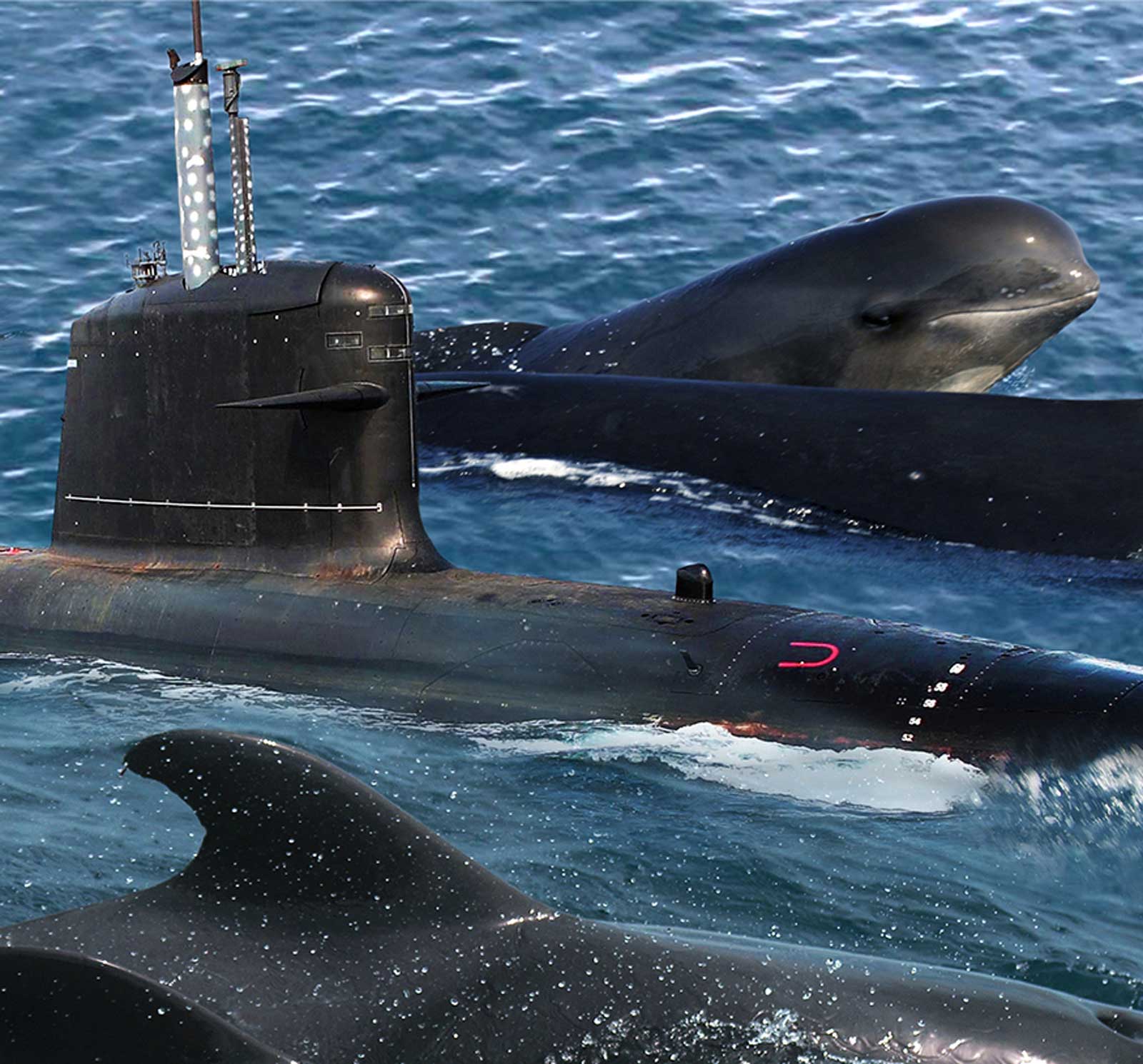
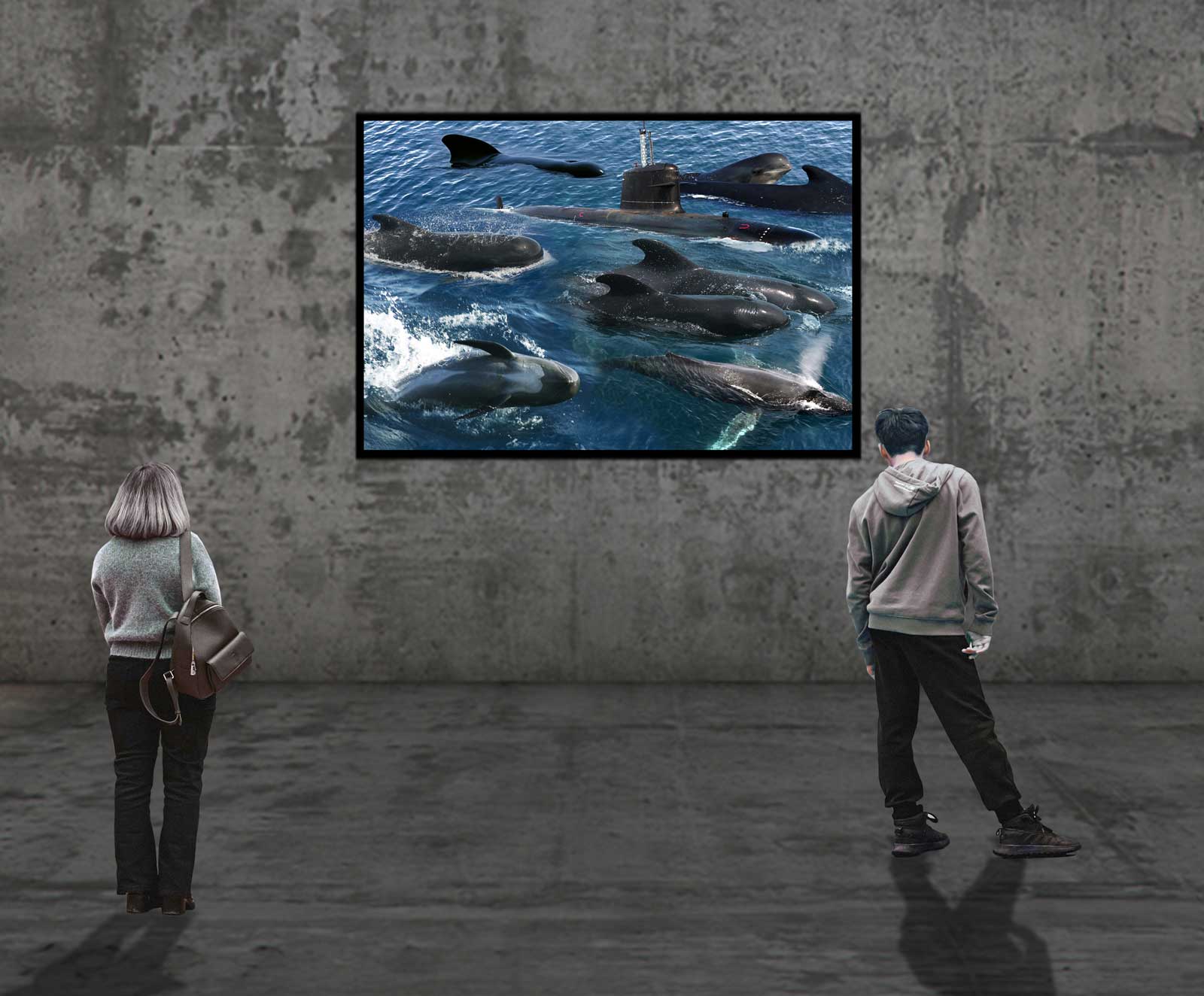
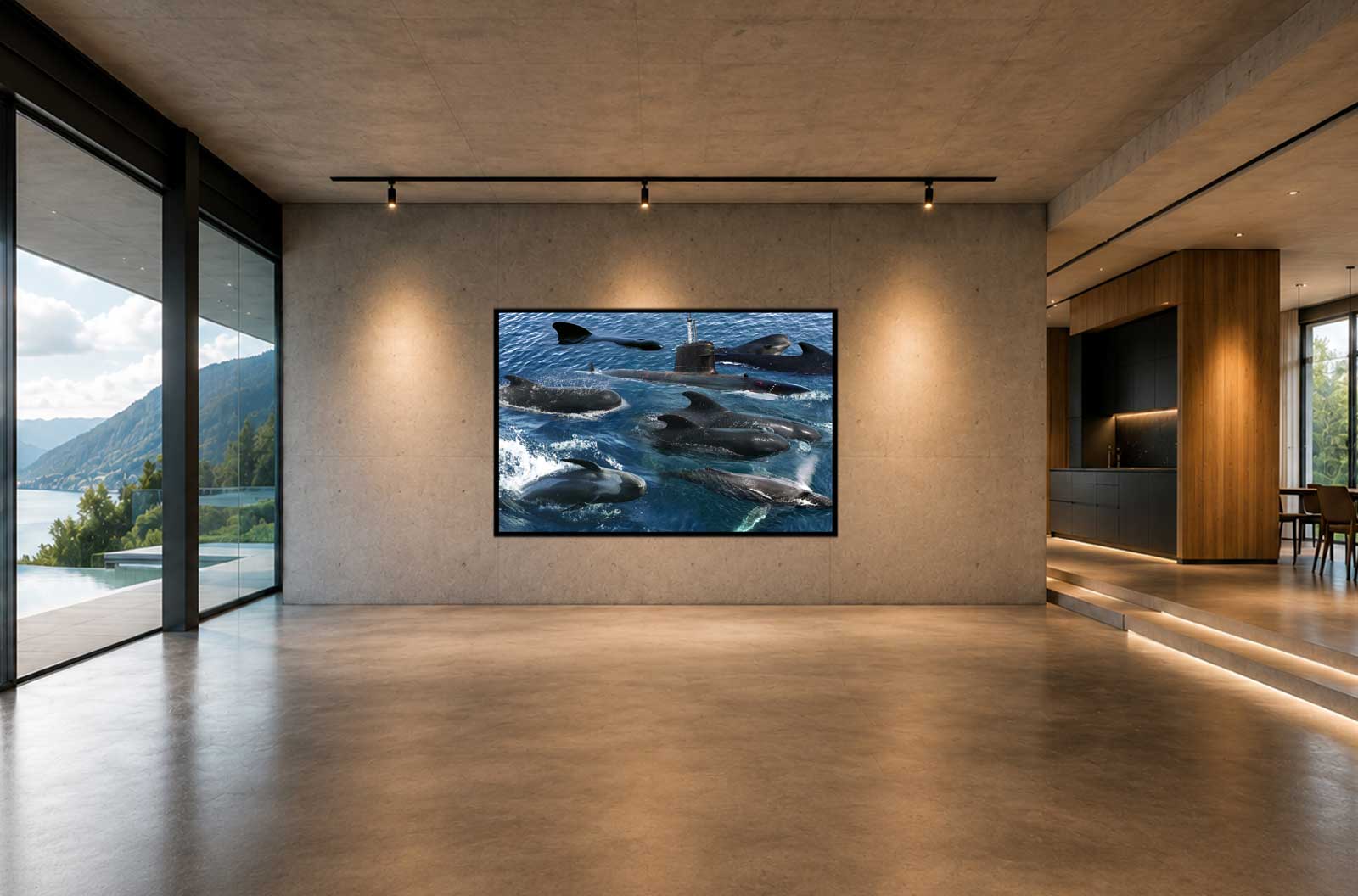
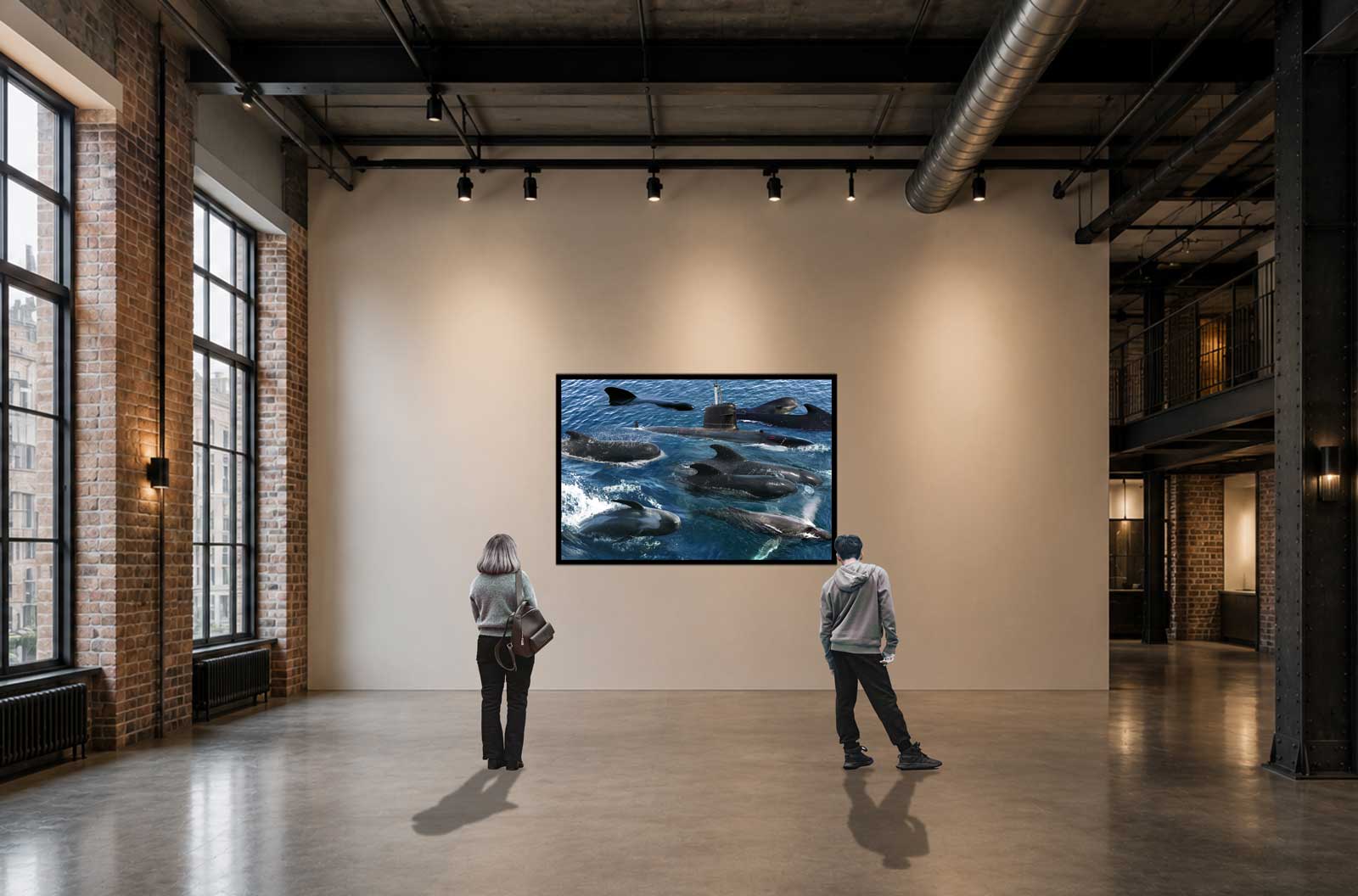
Whales and dolphins swam around the submarine as if escorting it, family pod welcoming a strange new member into their waters, benevolent curiosity toward this massive metal creature that moved beneath the surface like them but without grace, heavily, mechanically, without the organic fluidity that characterized their hydrodynamic bodies perfected by millions of years of evolution. Friendship — the title ironized this impossible scene where the most intelligent marine mammals on the planet seemed to fraternize with one of the most murderous weapons ever invented by humanity, as if the nuclear submarine launching missiles was just another slightly bizarre cetacean, as if the intercontinental ballistic missiles hidden in its holds could not annihilate entire cities in minutes.
April twenty sixteen, fifty-three years old, and the Atlantic or Pacific Ocean — impossible to say — stretched blue transparent luminous under the sun, sublime beauty of marine nature hiding this forced cohabitation between life and death, between creatures that incarnated harmony with the environment and the machine that incarnated our will of total domination, our capacity to destroy not only our enemies but the entire planet if we decided in a moment of madness. The orcas on the left with their characteristic white patches, the humpback whales perhaps in the center with their immense fins, the bottlenose dolphins that jumped gracefully, all this diversity of cetaceans gathered around this black cylinder that probably measured one hundred fifty meters long and displaced thousands of tons, modern Leviathan patrolling the depths waiting for the order which hopefully would never come to launch its missiles at targets on land where millions of humans lived who did not even know they were in the line of fire.
The irony of the title Friendship became obvious when thinking of military sonar that regularly killed whales and dolphins, those ultra-powerful low frequencies that submarines and warships emitted to detect other vessels but that completely disrupted echolocation in cetaceans, disoriented them, panicked them, forced them to surface too quickly where they died of gas embolism, mass strandings documented after military exercises, acceptable collateral damage for national navies that considered national security justified these animal deaths. April twenty sixteen and the naval arms race continued, Russia China United States France United Kingdom all building new nuclear submarines always more silent always more stealthy always more deadly, billions invested in nuclear deterrence while the oceans themselves died of acidification pollution overfishing warming.
The whales and dolphins in my image did not know they were swimming with death, their remarkable intelligence nonetheless could not understand what a nuclear weapon was, they just saw a big object moving through the water and their natural curiosity pushed them to approach to investigate to perhaps even play around it like dolphins played with everything that moved in their environment. And this innocence was heartbreaking because it contrasted absolutely with the terrifying knowledge we humans had of what this submarine carried, what it could do, the fact that the peaceful ocean where these magnificent creatures swam was also a potential battlefield where great powers watched each other ready to annihilate each other reciprocally if deterrence failed.
Friendship supposed reciprocity, mutual respect, equality between parties, but here there was nothing of the sort, just forced cohabitation where cetaceans occupied their ancestral habitat for millions of years and where we humans had unilaterally decided to install our war machines, militarizing the ocean like we had militarized the land and air and space, no element of the planet escaping our security paranoia our compulsive need to arm ourselves against our own kind. Whales sang their complex songs that traveled hundreds of kilometers across the ocean, sophisticated communication that we were barely beginning to understand after decades of study, and our submarines polluted this sound space with their sonars their engines their noisy presence that disrupted these millennial exchanges.
April twenty sixteen and I thought of documentaries showing dolphins saving humans from drowning, pushing them to the surface, protecting them from sharks, inter-species altruism documented many times, these intelligent empathic creatures that seemed to recognize in us cousin mammals in distress and that chose to help us without expecting anything in return. And we in return killed them with our sonars, captured them for our dolphinariums where they died prematurely depressed, polluted their oceans with our plastic our heavy metals our toxic waste, industrially fished the fish they fed on, acidified the water with our CO2 emissions, and now patrolled their waters with nuclear submarines capable of triggering the apocalypse that would kill not only all humans but also all cetaceans and all marine life.
The blue transparent water of the image evoked a purity that no longer really existed in twenty sixteen, oceans were full of microplastics invisible to the naked eye but omnipresent, fish contained them in their flesh, cetaceans too, we ate plastic we breathed plastic everything was contaminated, but the image still proposed this dream of a still pure ocean where peaceful coexistence would be possible between natural creatures and human creations, where Friendship would not be ironic but real, where the submarine could swim with whales without threatening them, where technology would harmonize with nature instead of destroying it.
Scientists who studied cetaceans told extraordinary stories of intelligence of empathy of communication of culture transmitted generation to generation, orcas had different dialects depending on their pods, humpback whales composed new songs each year that spread through oceans like music hits, dolphins used tools recognized themselves in mirrors were self-aware, all these discoveries that questioned our human exceptionalism and suggested we were not the only conscious intelligent sentient beings on this planet. And yet we continued to treat oceans and their inhabitants as resources to exploit or territories to militarize, unable or unwilling to recognize that these creatures deserved the respect they spontaneously showed us.
Friendship in April twenty sixteen, and the title contained hope despite its irony, the hope that perhaps one day we would truly deserve the friendship of these extraordinary creatures, that we would stop militarizing their oceans, that we would dismantle our nuclear submarines like we had dismantled other weapons in the past, that we would clean up the pollution we had poured, that we would stop industrial overfishing, that we would stabilize the climate so the oceans would not acidify would not warm would not rise, and then perhaps whales and dolphins would forgive our past violence and accept to really swim with us, authentic friendship between intelligent species sharing this blue planet that viewed from space resembled itself a great ocean scattered with continents, small fragile marble floating in cosmic void, only place we knew where life existed, and we treated it as if we had another somewhere as backup, as if we could afford to destroy this one with our nuclear weapons our pollution our thoughtlessness, while cetaceans lived in harmony with the ocean for millions of years and could teach us this wisdom if only we were humble enough to listen to their songs instead of covering them with the noise of our military sonars.
Cornel Barsan
April 2016