
Description
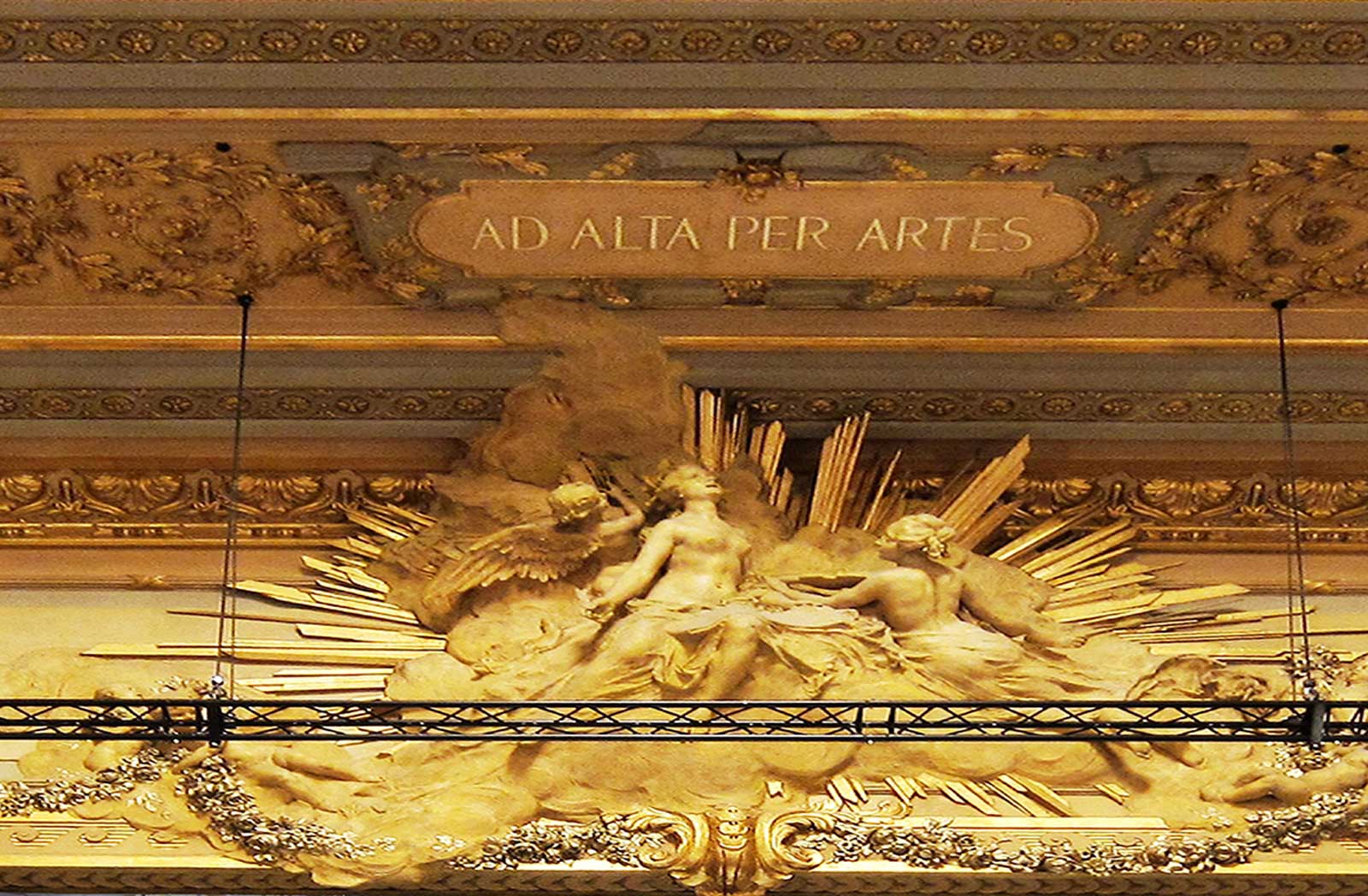
Ad Alta Per Artes
Conceptual photographic research
September 2014, Leipzig | Variable dimensions
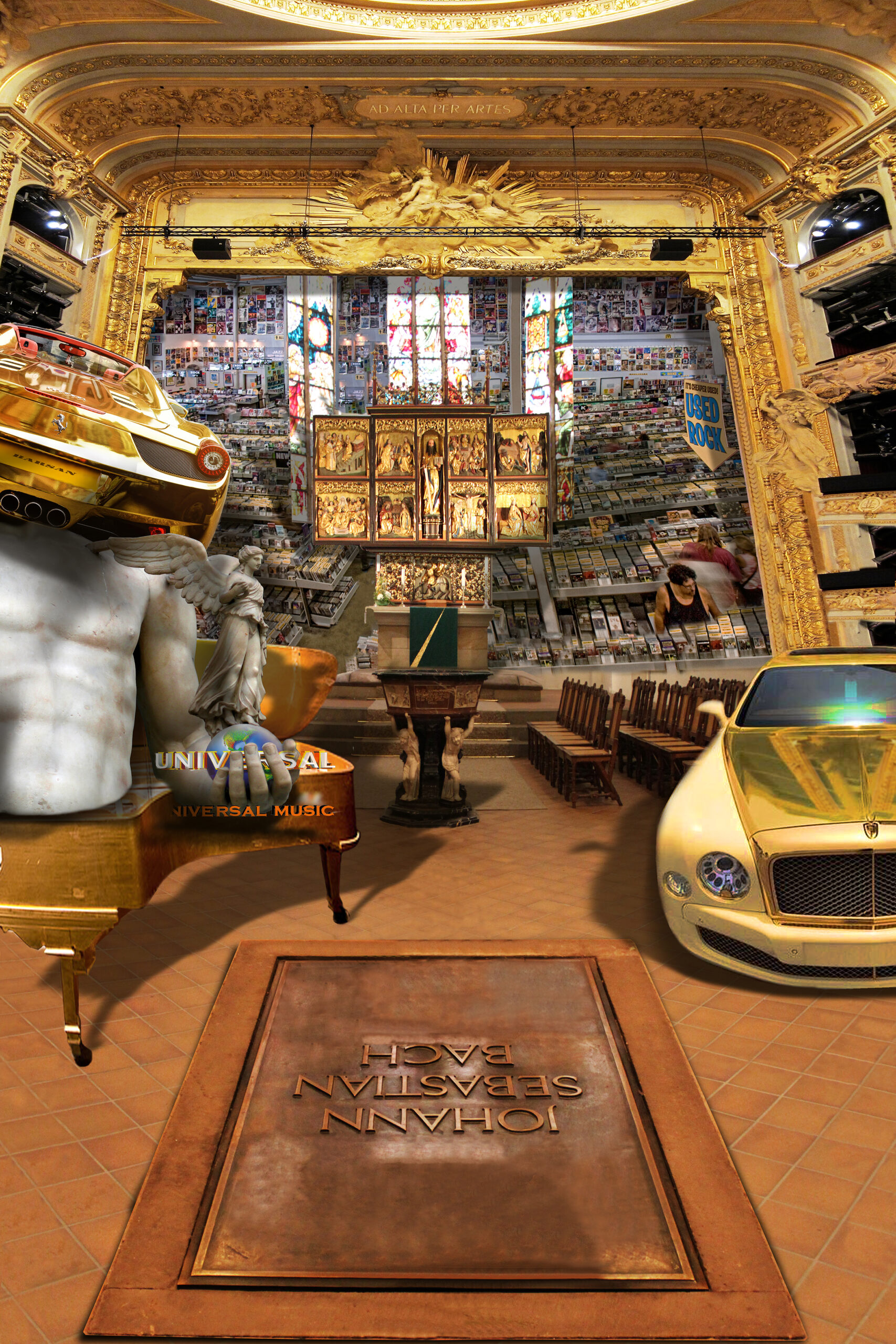
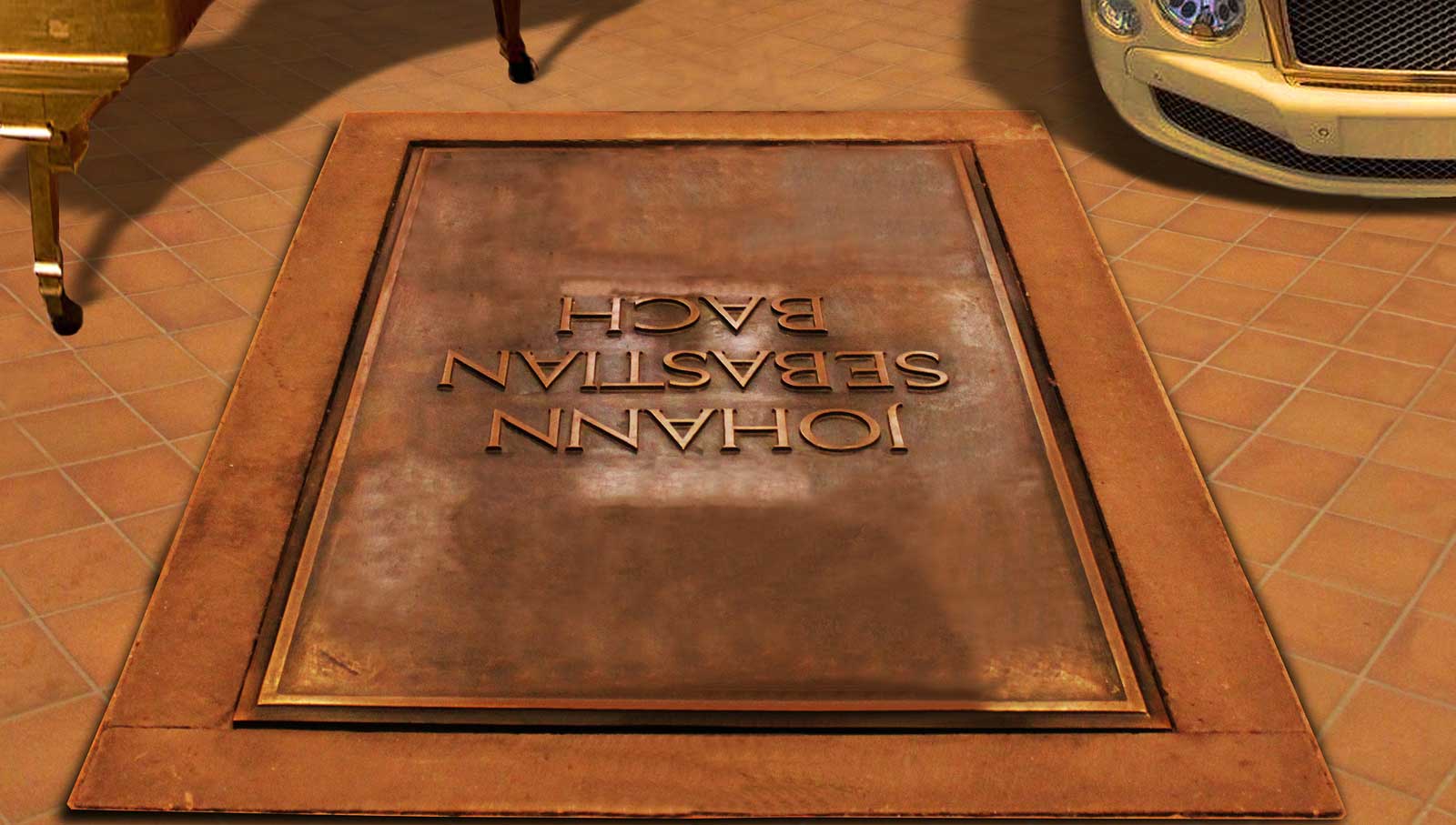
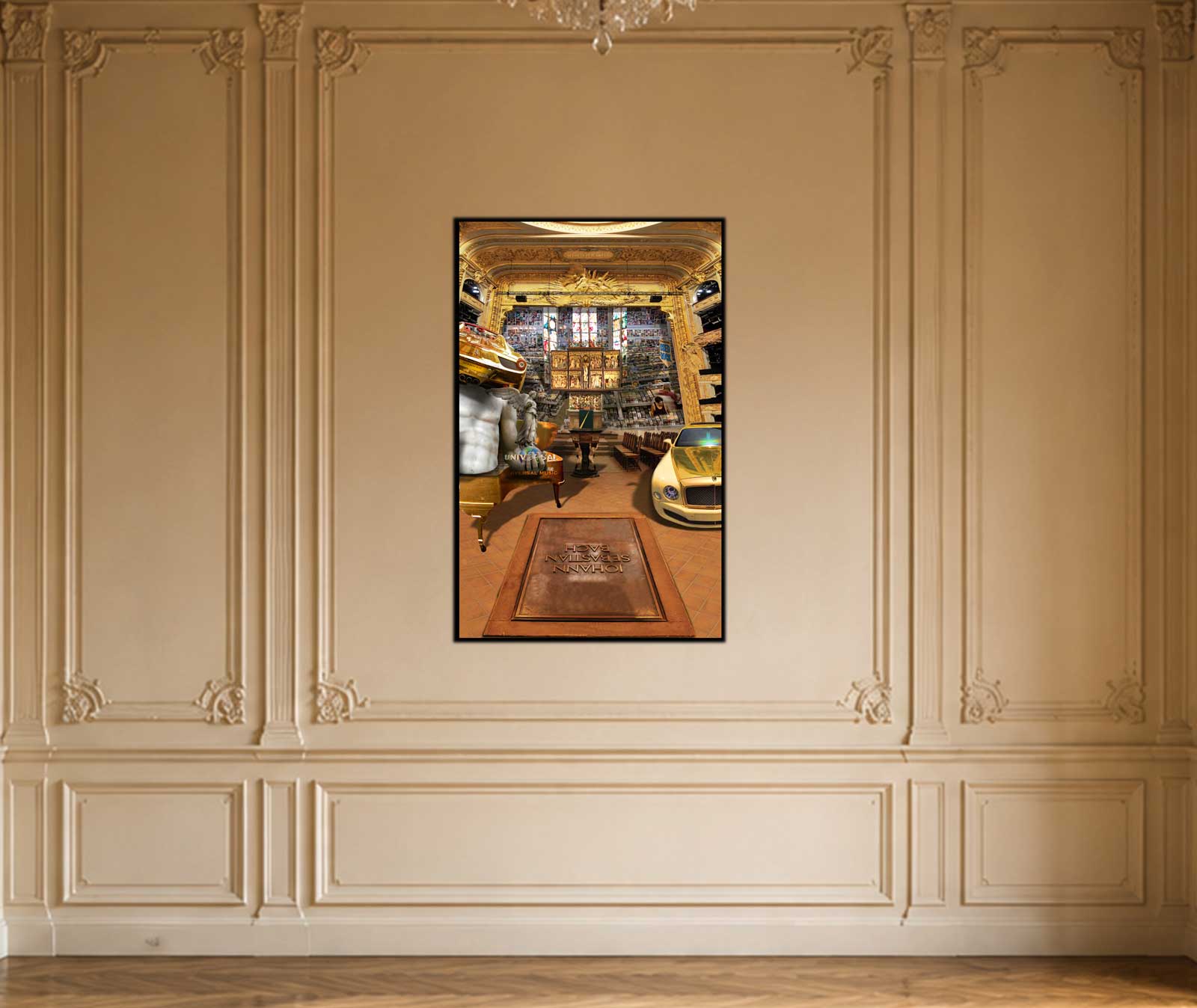
The Latin inscription gleamed on the arch of the Thomaskirche in Leipzig — « Ad Alta Per Artes, » toward the heights through the arts. A beautiful motto, sublime even, that summarized an entire worldview where art was not entertainment or decoration but a path of spiritual elevation, a Jacob’s ladder allowing humans to climb toward heaven, to touch the transcendent, to commune with the divine through beauty created by their hands their voices their instruments. And beneath this inscription, in this sumptuous Baroque church all gold and light, lay Johann Sebastian Bach, the absolute genius who had spent twenty-seven years of his life here as cantor, from seventeen twenty-three to seventeen fifty, composing conducting teaching for the glory of God, « Soli Deo Gloria » he signed at the bottom of his scores, to God alone the glory, the absolute humility of the creator who effaced himself before what he created.
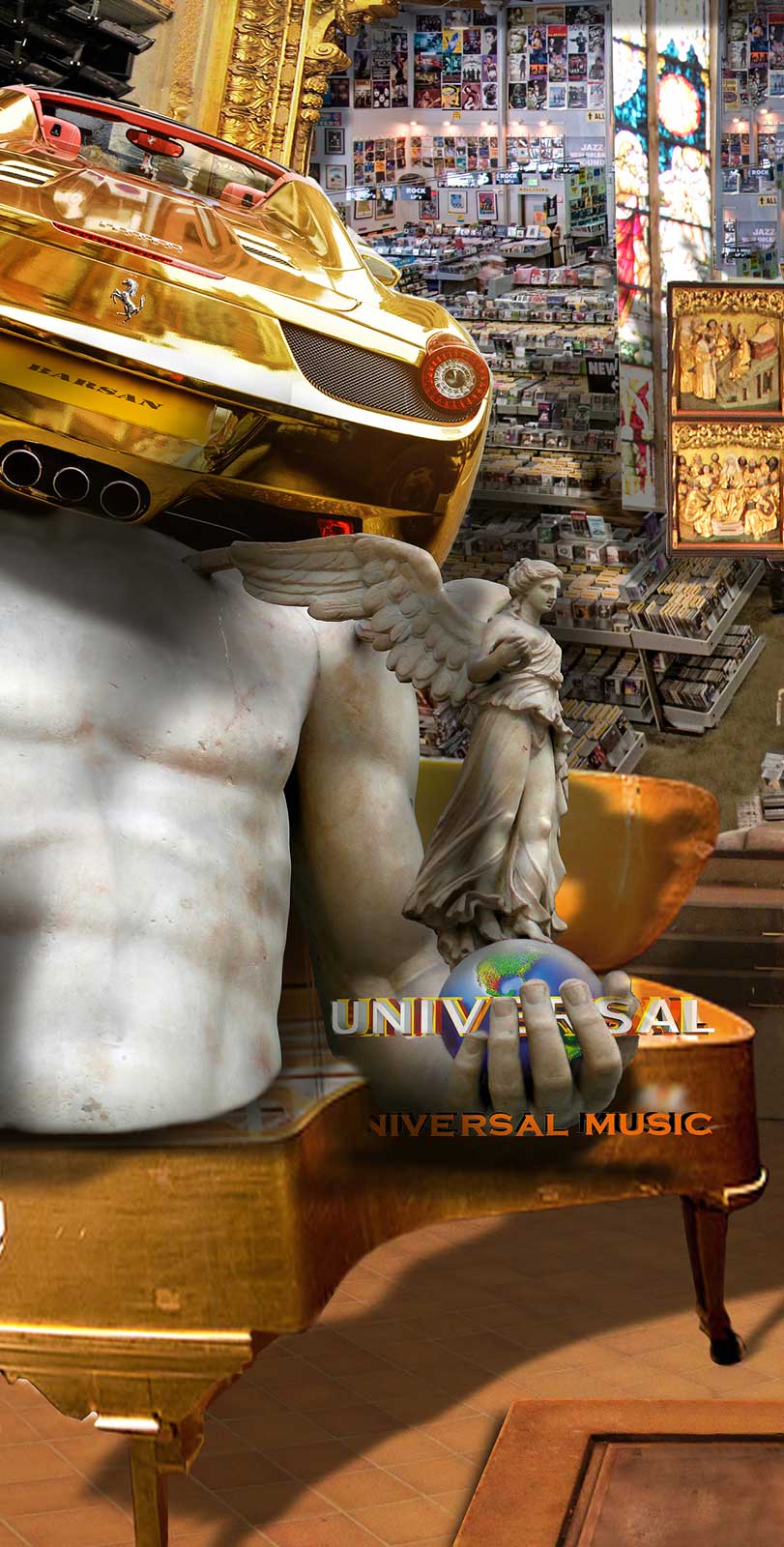
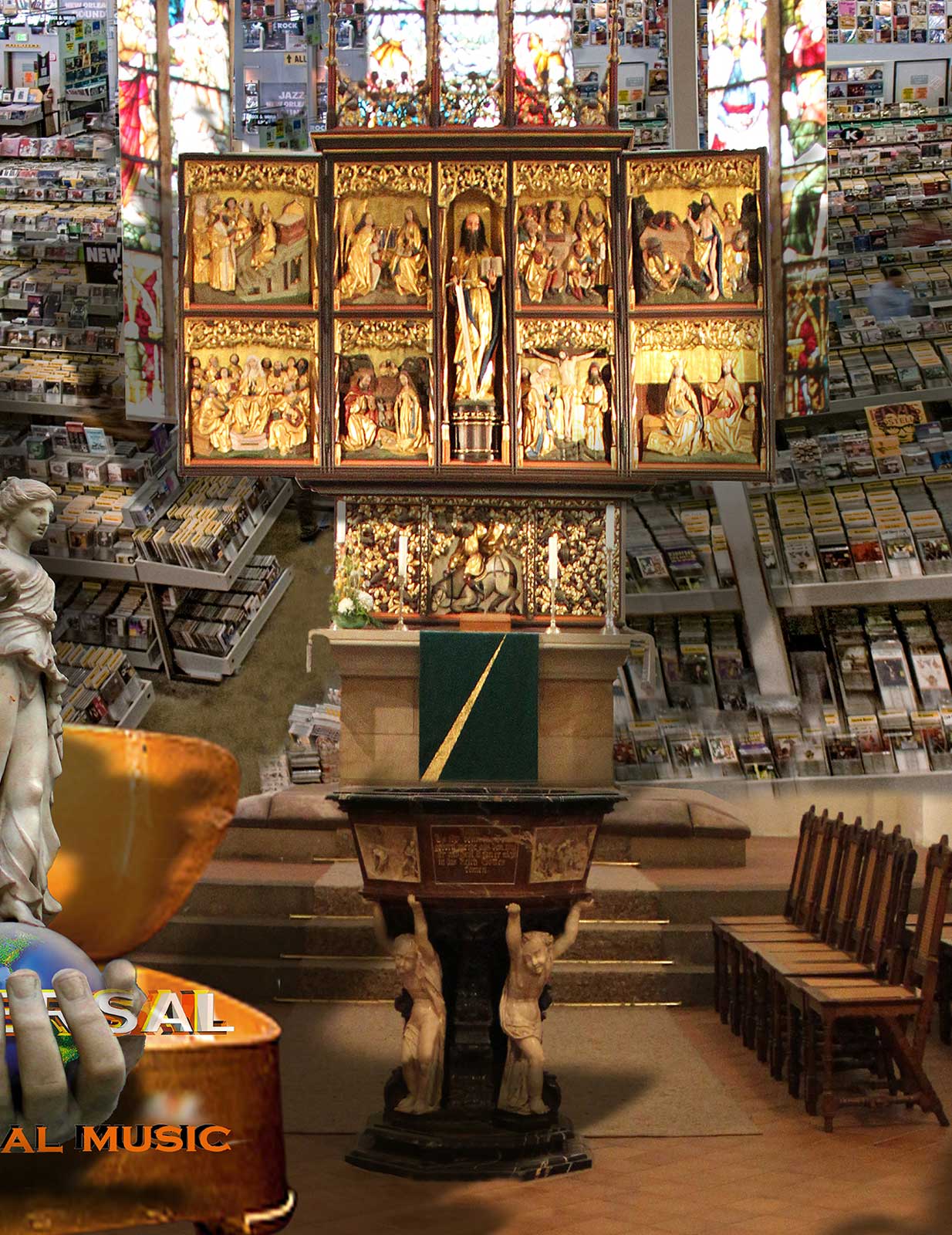
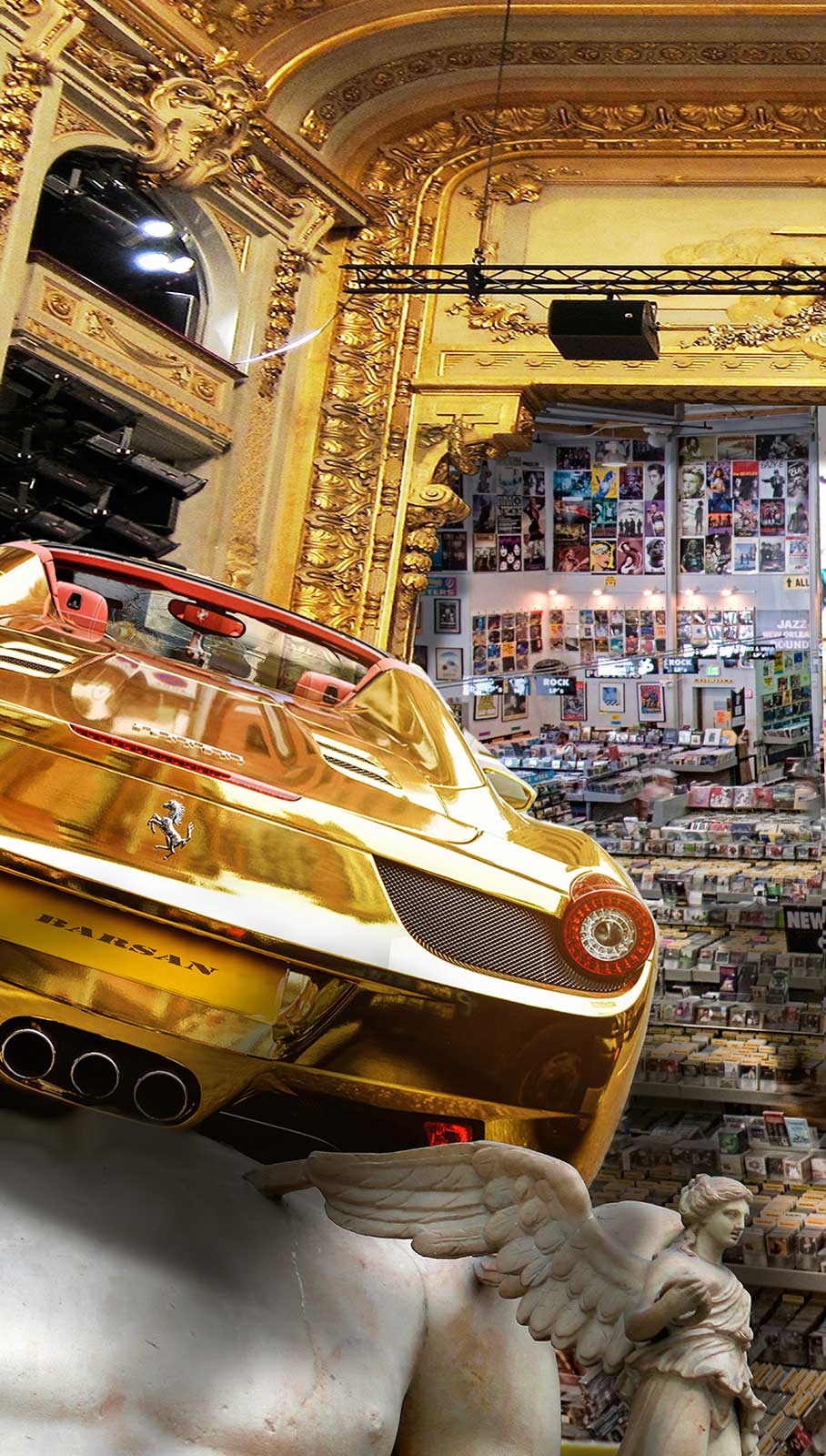
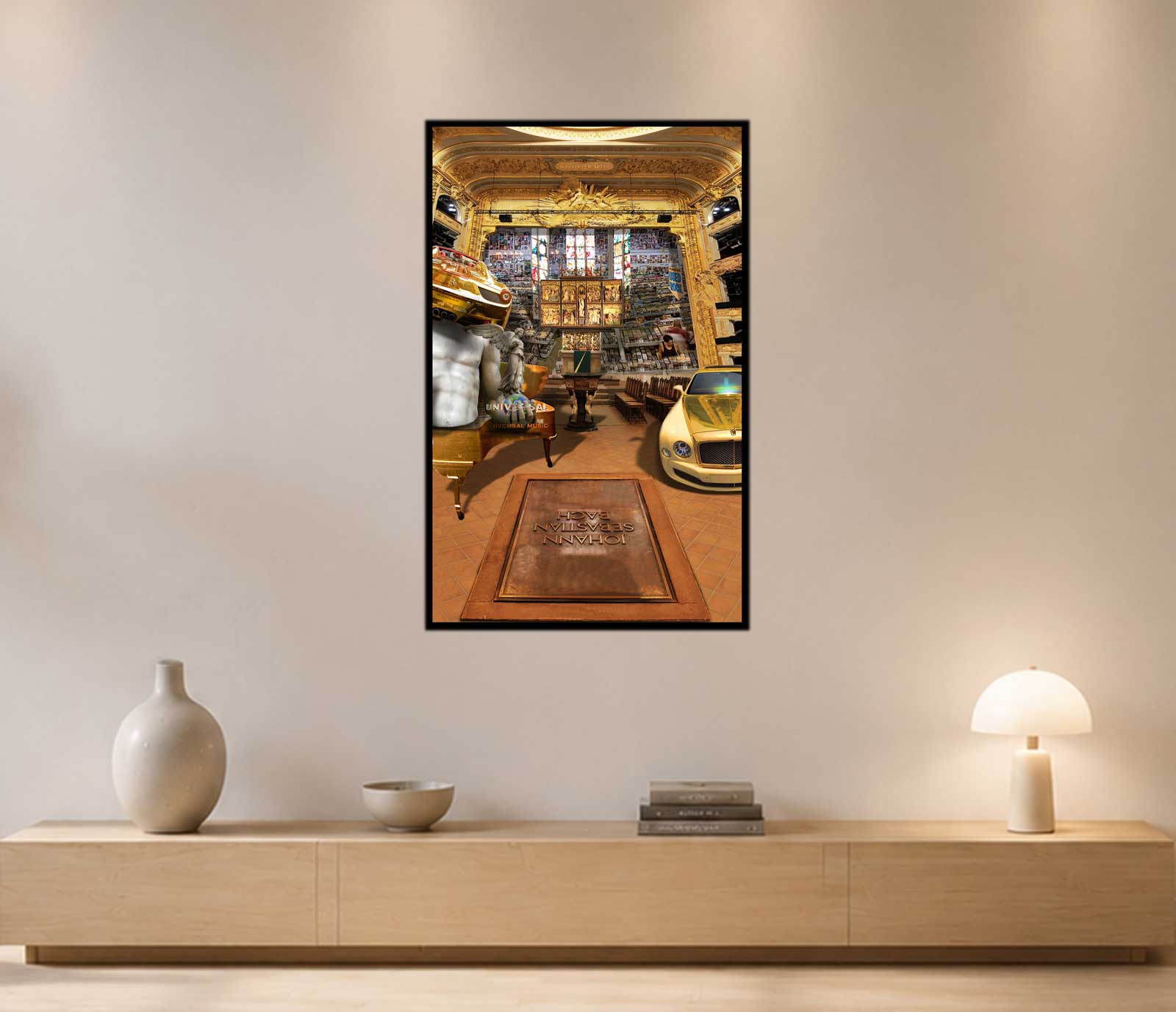
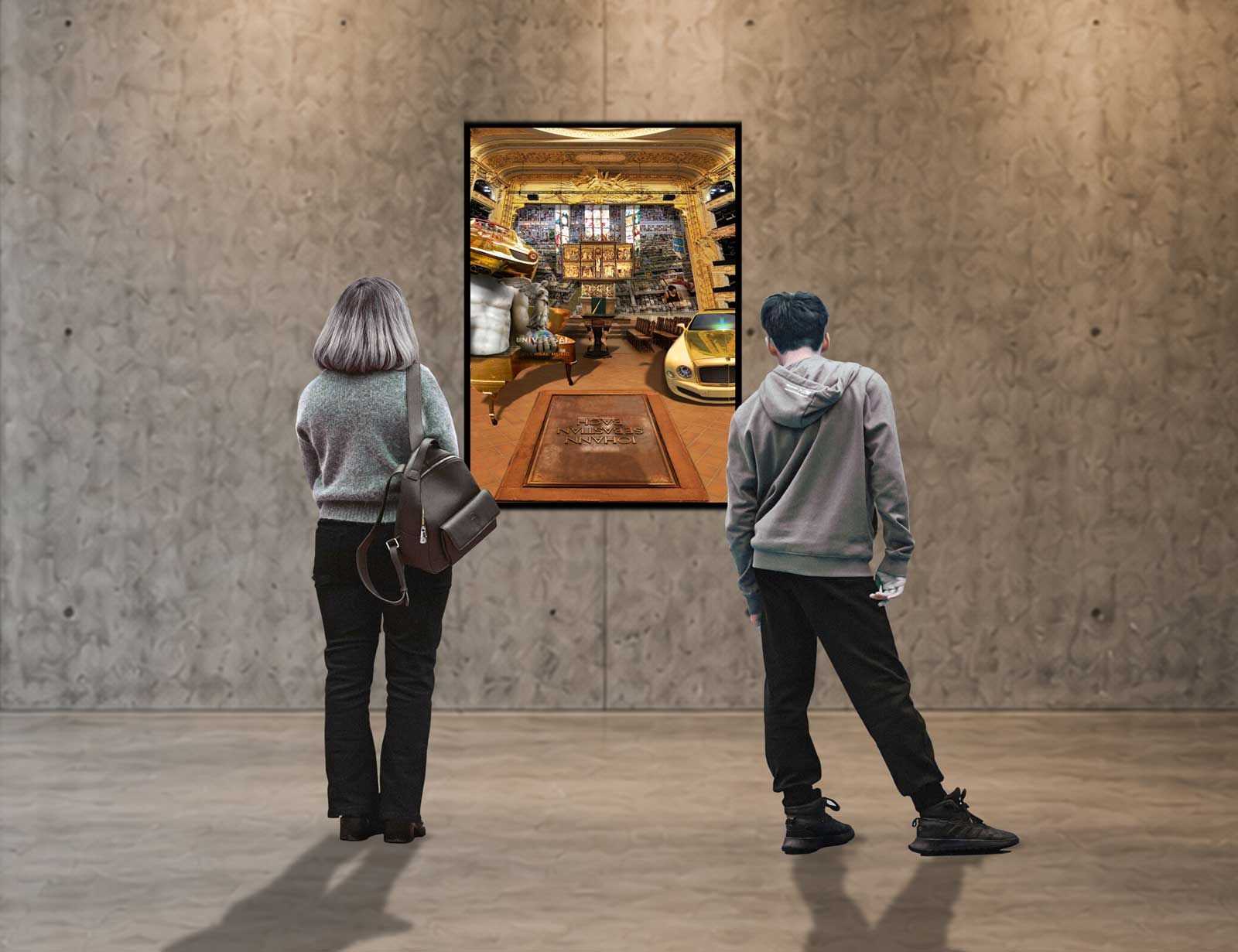
September twenty fourteen, fifty-one years old, and I was there in that church with my camera, looking at Bach’s tomb and wondering what he would think of what his art had become. So I constructed an image, a desecration perhaps but a necessary desecration to show the truth. On the ground, the master’s tombstone framed not by silent contemplation but by golden luxury cars — Ferrari Bentley Lamborghini, these glittering machines of the nouveau riche gleaming with the same gold as the Baroque architecture but a different gold, the gold of Midas instead of celestial gold, the gold that kills everything it touches instead of the gold that illuminates and sanctifies. The Ferraris replaced the organ, the Bentleys replaced the cantatas, automobile luxury triumphed where sublime music should have reigned alone.
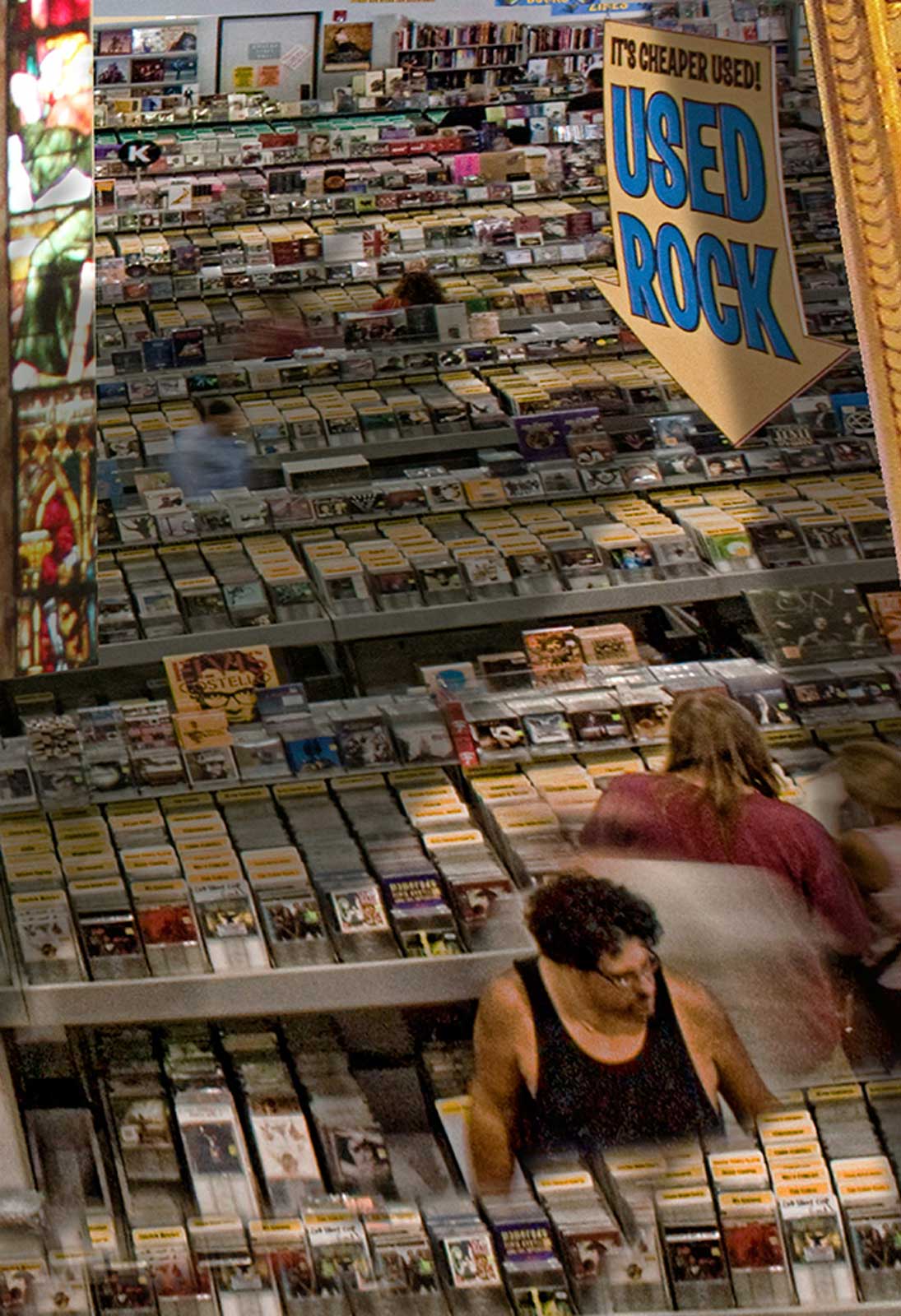
And standing triumphantly at the center, an antique statue — Apollo perhaps, god of the arts — proudly held the logo of « Universal Music, » that major label controlling a gigantic share of the global music industry along with Sony and Warner, these three giants who owned the catalogs published the artists dictated the trends standardized production transformed music into a mass consumption product. Behind it, the sacred altarpiece had metamorphosed into an immense record store, shelves rising to the ceiling overflowing with CDs vinyl merchandising posters T-shirts caps, all this derivative merchandise now accompanying every musical release as if music itself were not enough, as if you also had to sell the image the lifestyle the brand the complete identity of the artistic package.
Ad Alta Per Artes — the motto had not changed but its meaning had. The heights attained were no longer spiritual but financial, the peaks climbed were no longer celestial but stock market heights, the arts now led to penthouses to yachts to Ferraris parked in front of Bach’s tomb. « Soli Lucro Gloria » should have been the new inscription, to profit alone the glory, because the music industry in September twenty fourteen was going through a profound crisis that only accelerated its transformation into pure business. Streaming was destroying physical sales, Spotify Deezer Apple Music paid artists mere cents per stream, you needed millions of streams to earn what an album once sold in just thousands of copies. The majors adapted by controlling distribution even more, standardizing creation even more, using focus groups and algorithms to predict what would work, manufacturing hits according to proven formulas where spontaneity originality artistic risk-taking were minimized for maximum profitability.
Bach composed under difficult conditions in Leipzig, modest salary, constant conflicts with the city council that did not understand his genius, but he composed for eternity without knowing he was composing for eternity, he created because he had to create, because music flowed from him like water from a spring and he could not have stopped even if he wanted to. He died poor in seventeen fifty, was quickly forgotten, rediscovered only in the nineteenth century by Mendelssohn, and became finally what he is now — a classical bestseller, a commercial brand, a catalog exploited by Universal Music and other majors who make millions on his music while he remains dead and poor in his tomb surrounded by Ferraris.
The irony was so violent it became almost comic, this collision between the sacred and the commercial, between pure art and pure business, between Ad Alta Per Artes as a path of spiritual elevation and Ad Alta Per Artes as an elevator toward material wealth. And all that gold in the image — the Baroque gold of sacred architecture, the metallic gold of luxury cars, the gold of the Universal Music logo — showed precisely that not all gold is equal, that the gold decorating churches to lift the gaze toward infinity has nothing to do with the gold painting Ferraris to impress passersby. One transcends, the other confines. One liberates, the other imprisons. One leads toward the heights of the spirit, the other toward the heights of the bank account.
Bach in his tomb contemplated all this, powerless, his art fragmented into consumer products targeted for different customer segments — relaxing Bach for spas, intellectual Bach for intellectuals, prestigious Bach for bourgeois salons, all these declinations of a unique genius sold like toothpaste, with marketing strategies and advertising campaigns and market studies. Ad Alta Per Artes — toward the heights through the arts, yes, but which heights exactly? That was the question my image posed in September twenty fourteen, the question hanging in the golden air of that church profaned by commerce, the question Bach himself might have asked if he returned and saw what we had done with his music, with his legacy, with his absolute devotion transformed into profitable merchandising.
Cornel Barsan
Leipzig, 2014